Fungible vs Non-Fungible: The Core Difference
1. Defining NFTs: Fungible vs. Non-Fungible
Let us begin by explaining the core concept of fungibility.
Fungible items are interchangeable and identical in value (e.g., a 50,000 shilling note or a Bitcoin).
Non-Fungible items are unique and irreplaceable (e.g., a specific house, a concert ticket for a specific seat, or an original painting).
An NFT is the digital version of this uniqueness a cryptographic “deed” or certificate of ownership stored on a blockchain that proves you own a specific digital asset.
2. How NFTs Work
When an artist “mints” an NFT, they create a unique token on a blockchain. This token contains metadata information, including the creator, file location, and a unique identifier.
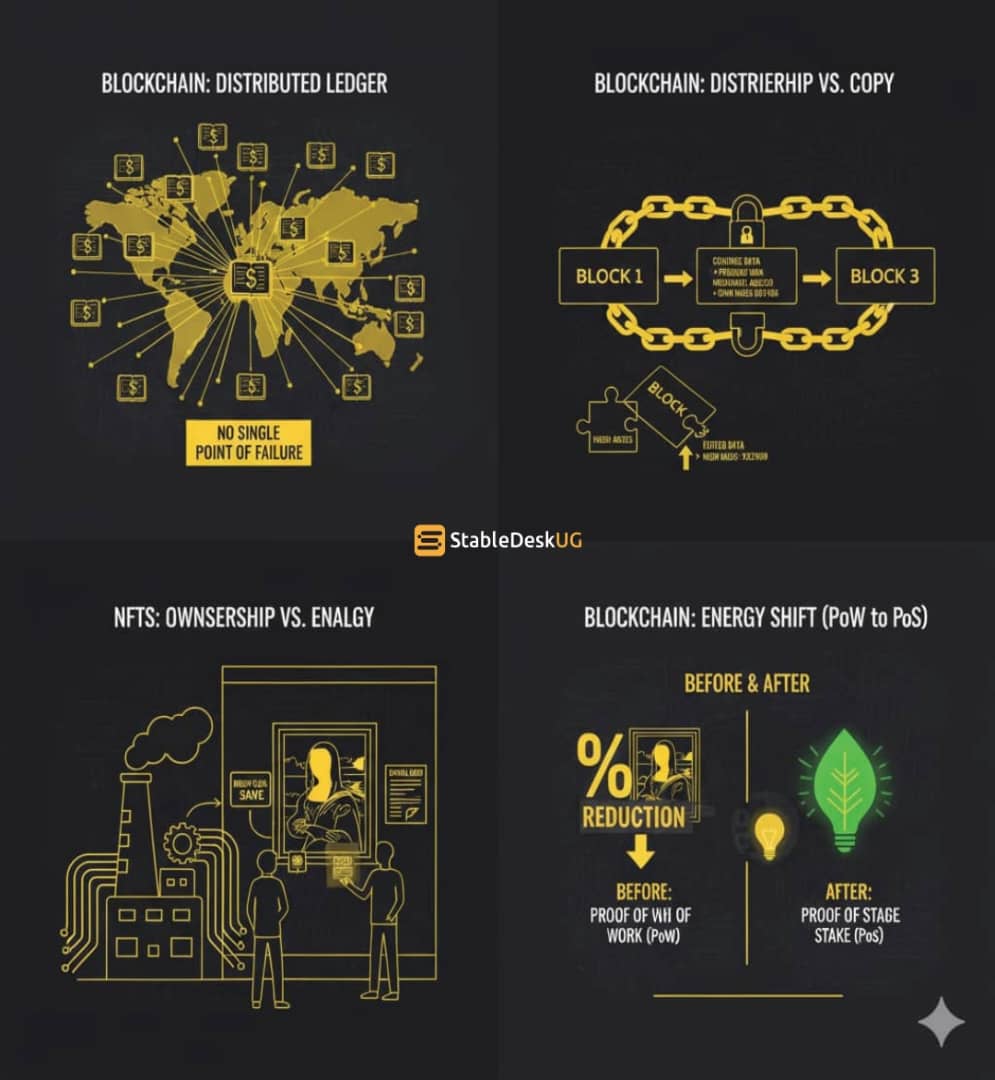
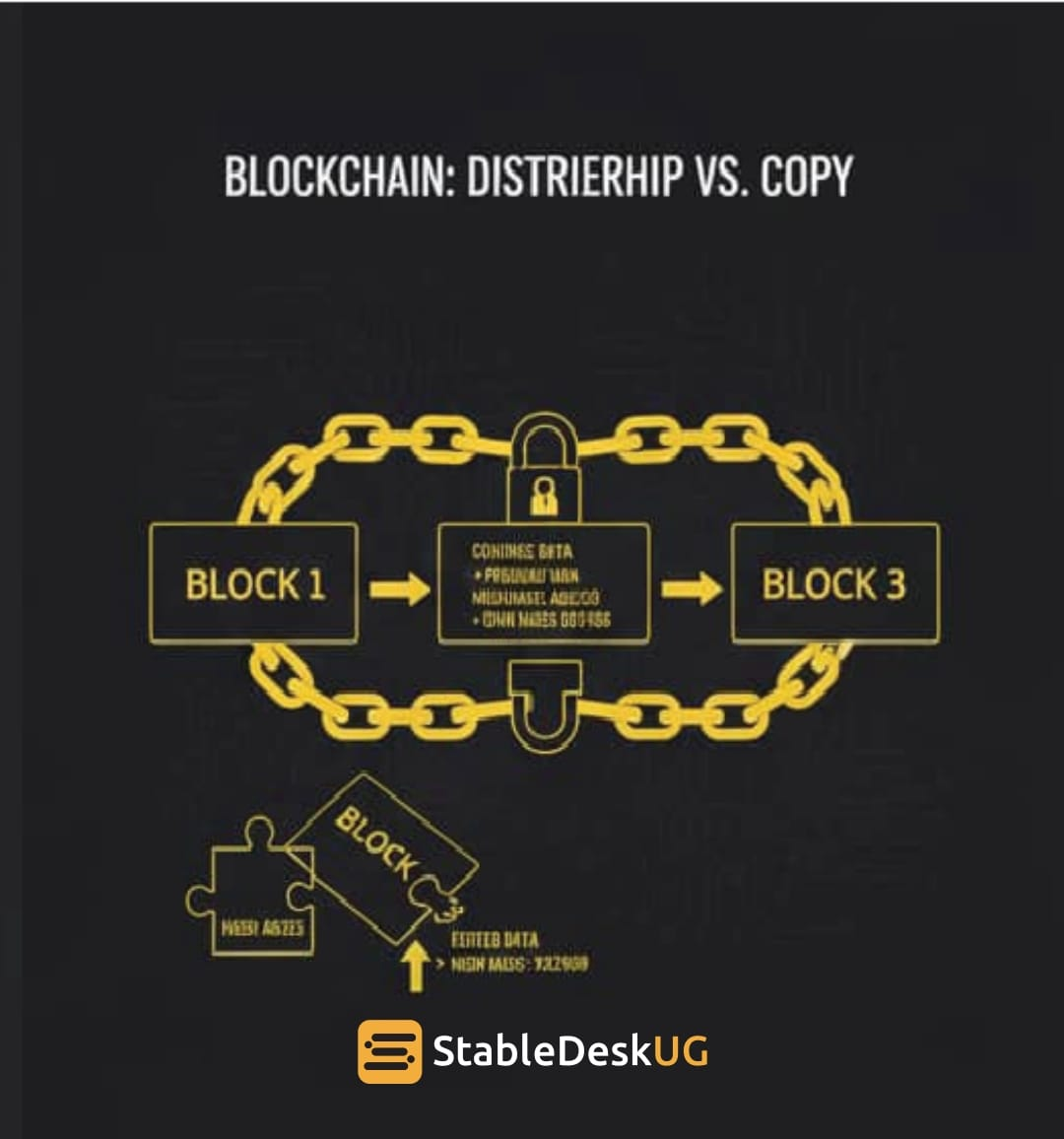
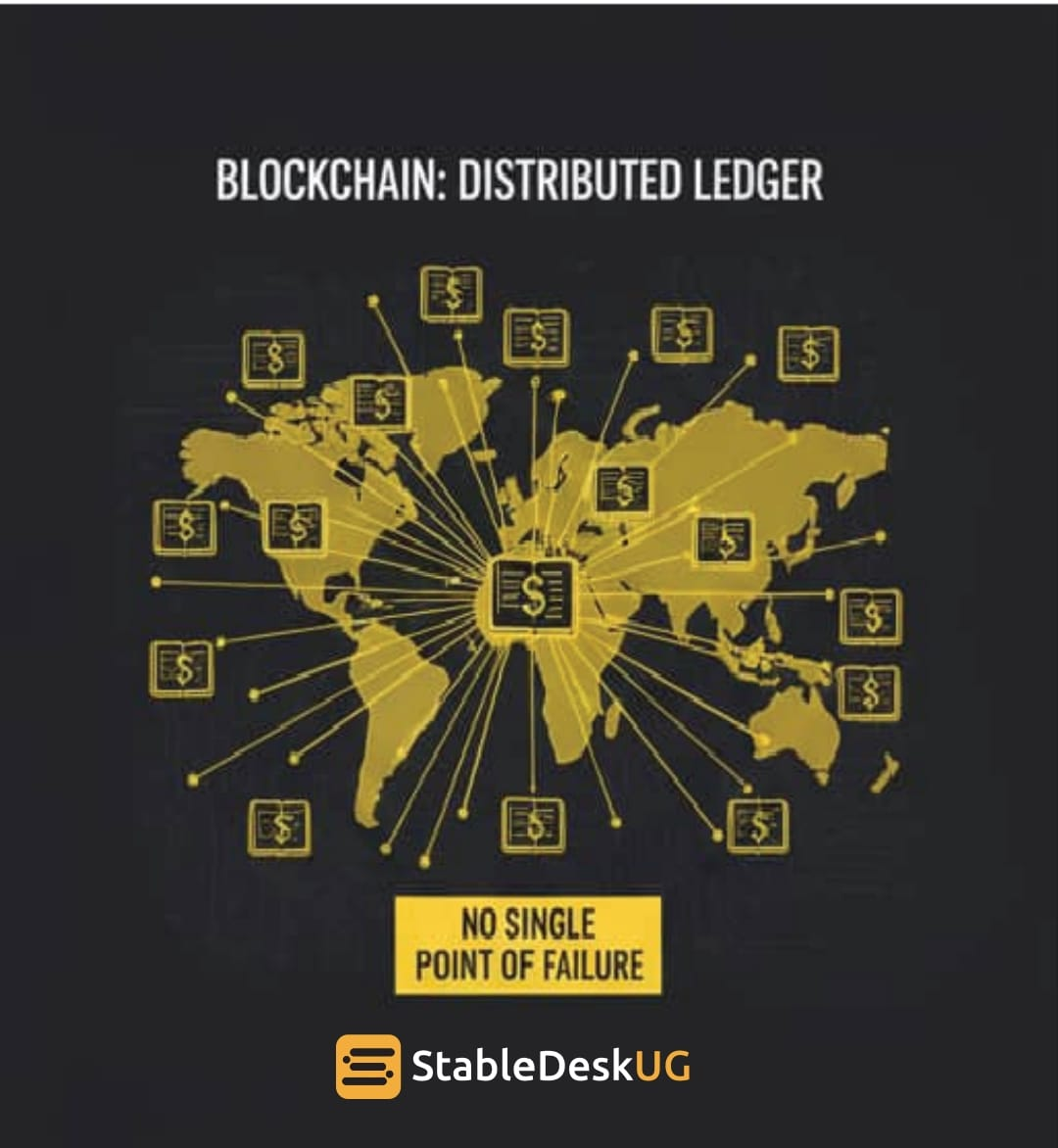
Blockchain Integration: The NFT is recorded permanently on the blockchain, providing a transparent, unalterable history of ownership.
Ownership vs. Hosting: The NFT itself is not usually the digital file (like a JPEG); rather, it is the digital proof of ownership that points to where that file is hosted.
3. Key Use Cases
The documents highlight several areas where NFTs provide value:
Digital Art & Collectables: Projects like Bored Ape Yacht Club created “verifiable scarcity,” allowing artists to sell directly to collectors.
Gaming: NFTs allow players to truly own rare in-game items (skins, weapons) rather than just “renting” them from a game company.
Music: Artists can bypass middlemen to sell albums or exclusive content directly to fans.
Real-World Assets: NFTs can represent physical property, luxury goods, or even diplomas and certifications, making them harder to forge.
4.Criticisms and Challenges
Despite their popularity, NFTs face several major hurdles:
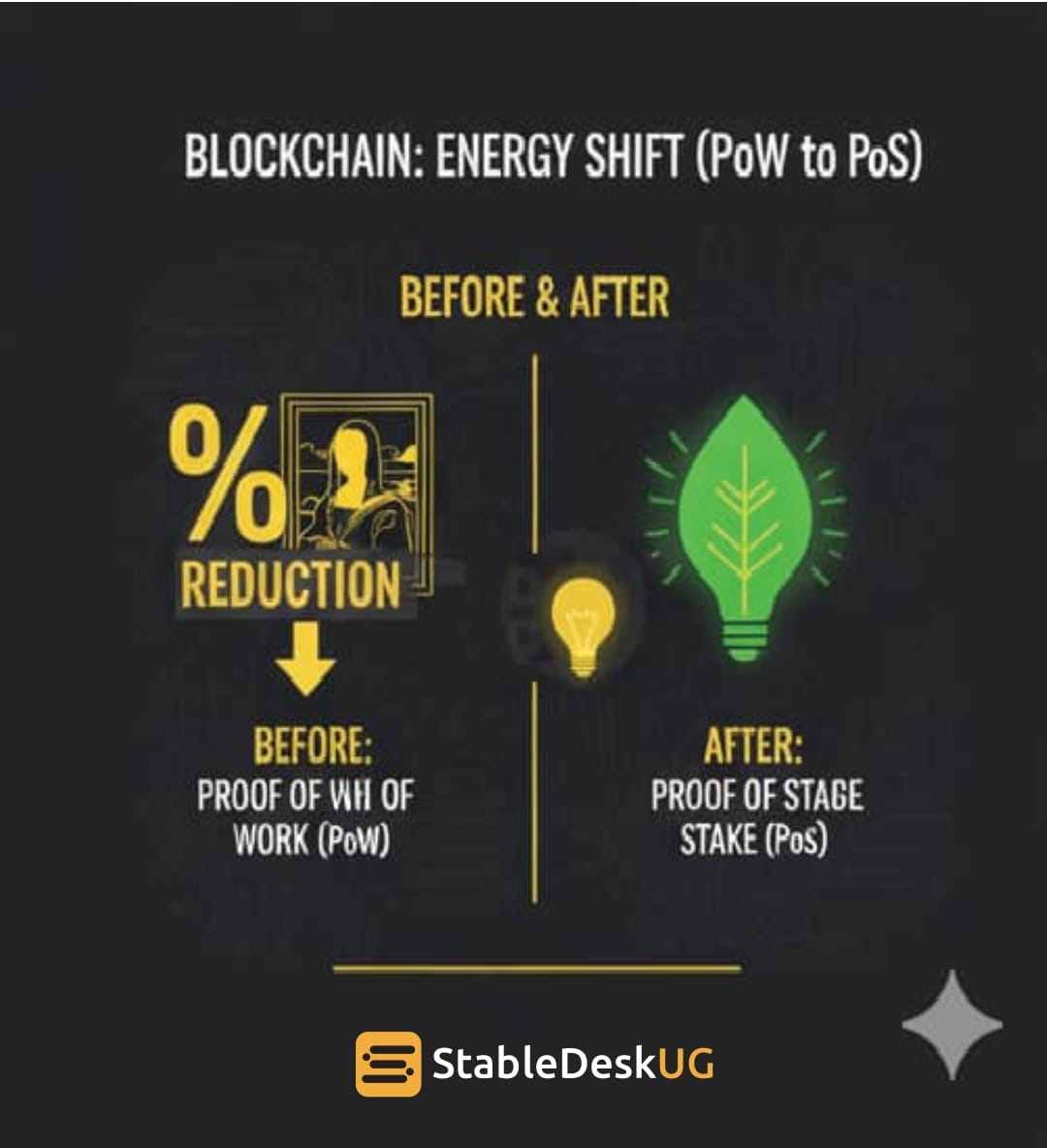
Environmental Impact: Historically, mining NFTs on the Ethereum blockchain consumed massive amounts of energy. However, the text notes that Ethereum’s transition to “proof-of-stake” in 2022 reduced energy consumption by 99%.
Scams and Speculation: The market has been plagued by “rug pulls” (creators abandoning projects after taking money) and rampant financial speculation.
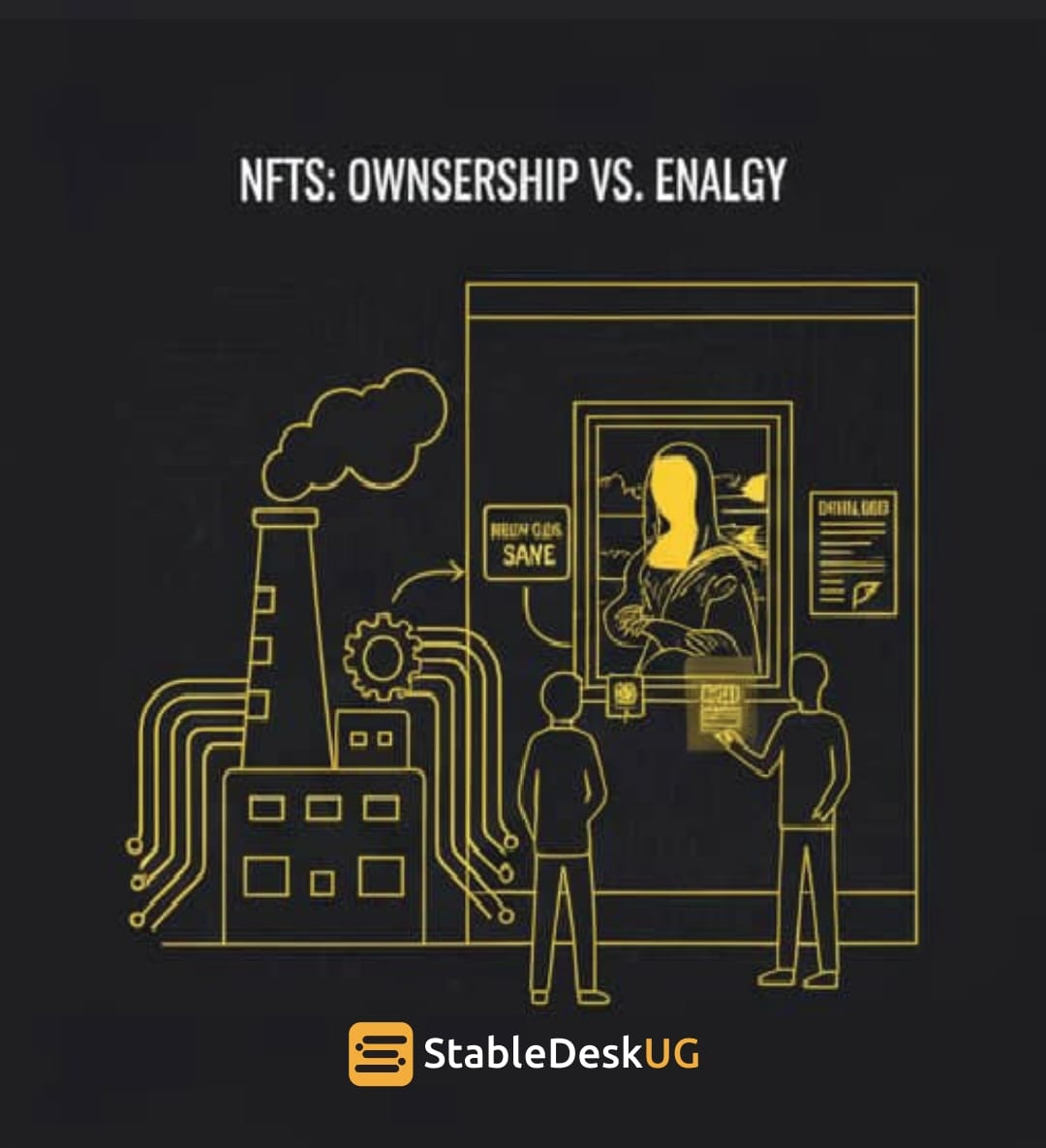
The “Right-Click Save” Problem: While anyone can copy a digital image, the text argues that owning the NFT is about owning the original record, comparing it to owning a poster of the Mona Lisa versus owning the actual painting.
Legal Confusion: Owning a token does not automatically grant copyright or commercial rights to the underlying art, leading to legal disputes.
5. The Current State
After the market crash in late 2022, when trading volumes dropped by over 90%, this suggests that NFTs are currently in a “hype cycle.” While the initial speculation has cooled, the technology may follow the path of the internet or social media, moving toward gradual, real-world adoption based on utility rather than just hype.