1. The Emergence of Altcoins
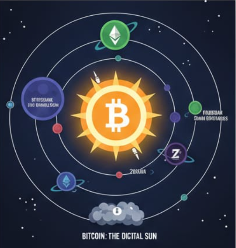
The narrative begins with Bitcoin, the original cryptocurrency launched in 2009. While Bitcoin remains synonymous with crypto, its success led developers to create “alternative coins” or altcoins. Initially, these were attempts to improve upon Bitcoin’s perceived limitations—such as speed or energy efficiency.
A prime early example is Litecoin (2011), which branded itself as the “silver to Bitcoin’s gold” by offering faster block times and a larger total supply (84 million coins). While many early clones failed, others survived by finding specific “product-market fit.”
2. What Exactly Are Altcoins?
Broadly defined, an altcoin is any cryptocurrency other than Bitcoin. This includes:
Major Assets: Ethereum, Solana, and Cardano.
Stablecoins: Tokens pegged to fiat currency like USDT and USDC.
Niche Tokens: This includes everything from DeFi tokens and “meme coins” to obscure projects on decentralized exchanges.
3. Diverse Purposes and Use Cases
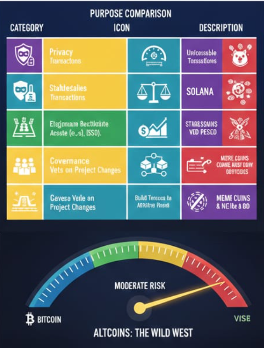
Modern altcoins have evolved beyond being “Bitcoin clones” and now serve distinct functions:
Privacy Coins: Unlike Bitcoin’s pseudonymous nature, coins like Monero and Zcash use advanced cryptography to make transactions truly untraceable. These face heavy regulatory scrutiny due to potential use in illegal activities.
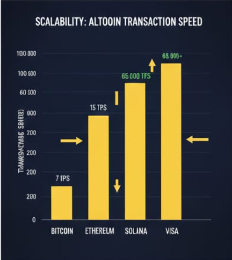
Scalability-Focused Coins: To compete with traditional payment processors like Visa, projects like Solana, Avalanche, and Polygon focus on high throughput (tens of thousands of transactions per second) and low fees.
Governance-Focused Coins: Projects like Cardano, Tezos, and Decred experiment with democratic control, allowing token holders to vote on protocol upgrades or funding directly on the blockchain.
Stablecoins: Designed to eliminate volatility, these are either backed by fiat reserves (USDT/USDC) or maintained by algorithms and collateral (DAI).
Platform/Smart Contract Coins: Often called “Ethereum killers,” projects like Polkadot and Cosmos provide the infrastructure for smart contracts and blockchain interoperability.
4. Risks and Market Dangers
A warning about the “Wild West” nature of the altcoin market:
Liquidity Issues: Many low-volume coins make it difficult to sell large amounts without crashing the price.
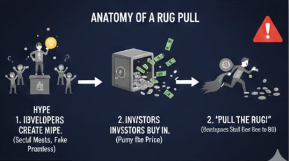
Scams and Rug Pulls: The space is rife with “rug pulls” (developers draining liquidity), pump-and-dump schemes, and projects with plagiarized whitepapers.
Complexity: Scams have become sophisticated enough to deceive even experienced users, making thorough research essential before investing.